
Much of what infectious-disease expert Dr. Michael Osterholm has to say about the COVID-19 pandemic is not what U.S. citizens want to hear 鈥� cases and deaths are climbing; people don鈥檛 understand the dangers (or worse, don鈥檛 care); federal leadership is a joke; a vaccine may or may not work; herd immunity is unrealistic; and the worst is yet to come.
Osterholm is the director of the Center for Infectious Disease & Policy at the University of Minnesota, and for decades has been regarded as one of the world鈥檚 leading public-health experts. He jokingly refers to himself as 鈥淏ad News Mike,鈥� because he has spent most of his professional career warning governments and the public about the dangers of a runaway pandemic.
True to his nickname, during a recent 抖阴成年 AI Invited Speakers Series event, The Covid-19 Pandemic: The Evolving Reality, Osterholm reiterated his much-publicized assertion that the next six to twelve weeks are going to be the 鈥渄arkest鈥� days of the pandemic. If current trends continue, he says, 鈥渢he U.S. could see as many as 500,000 to 800,000 deaths by spring.鈥�
Again, not exactly what people want to hear.
A battle plan for survival
Despite the gloom and doom, however, Osterholm also insists it is important for Americans to understand that all is not lost, and that another narrative 鈥� what he calls 鈥渇inding hope in the middle of the tunnel鈥� 鈥� needs to penetrate the fog of coronavirus confusion and fatigue. After all, vaccines are being developed, therapeutics are improving, scientists have more virus data and medical technology at their fingertips than ever before, and people can do plenty to protect themselves and their loved ones (masks, social distancing, etc.).
More importantly, Osterholm and other public-health experts already know how to control the virus and open up the economy, even without a vaccine. In fact, the last chapter of Osterholm鈥檚 2017 book, , contains a detailed 鈥淏attle Plan for Survival,鈥� in which he lays out a coordinated science and policy approach for fighting global pandemics that he has been warning for years are 鈥渋nevitable.鈥�
鈥淵ou can do both 鈥� health and the economy 鈥� at the same time. It鈥檚 not magic or pixie dust,鈥� Osterholm insists. 鈥淚f you bring the virus under control, it will also have major implications for the economy.鈥�
He cites Melbourne, Australia as an example of a city that saw cases spike in July, then implemented tight restrictions and contract tracing that reduced new cases to zero by late October, laying the groundwork there for an economic recovery. Many other Asian-Pacific countries 鈥� such as New Zealand, Vietnam, Singapore, Taiwan, and South Korea 鈥� have had success with similar protocols, Osterholm observes, and none of them resorted to the sort of authoritarian tactics used in China.
Restoring public trust
When it comes to fighting the virus, however, the big difference between other relatively successful democratic countries and the U.S. is the level of trust people have in their government and its leadership, says Osterholm. 鈥淵ou have to have a government whose leadership is such that the population will follow that leadership,鈥� he says, because without public trust and cooperation, you basically end up where the U.S. is now 鈥� divided and confused.
In the U.S., 鈥渉alf of the population doesn鈥檛 want to take a vaccine鈥� because of safety concerns and fears that the scientific process is being politicized, he says. 鈥淚n communities of color and among indigenous populations, the distrust of vaccines is incredible,鈥� he notes. 鈥淚n some inner-city populations, 70% to 80% of the people are unwilling to take a vaccine right now out of fear of being used as guinea pigs.鈥�
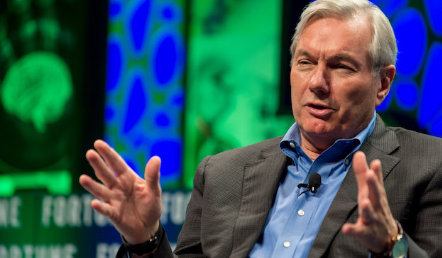
To combat this growing skepticism and rebuild trust in government, the U.S. needs to start telling itself a different story, Osterholm says 鈥� one that鈥檚 based on honesty, science, and leadership. 鈥淲hat we need right now is an FDR, someone to provide us with a vision of what is coming, not sugarcoat it, and at the same time give hope鈥� by articulating a plan and telling people what they can actually do, he explains. 鈥淩ight now, we don鈥檛 have that, and we鈥檙e not really understanding what the challenges are.鈥�
The challenges ahead
One of the biggest challenges in America, of course, is convincing a large swath of the population to take the coronavirus more seriously. Osterholm laments the politicization of the virus, and says there will always be skeptics, but insists it鈥檚 essential for Americans to find a way to unify themselves in the fight against COVID-19, or suffer the consequences.
鈥淧art of the challenge is helping everyone realize that it鈥檚 us vs. the virus, not us vs. them,鈥� Osterholm says. 鈥淩ight now, we鈥檙e telling a story about how angry we are at each other, and how the virus is a hoax. These are key messages we need to deal with.鈥�
According to Osterholm, another major problem is that science can tell societies a great deal about the virus and how to eradicate it, but science doesn鈥檛 help much if it doesn鈥檛 inform intelligent public policy or change the public鈥檚 attitude toward the dangers of COVID-19. 鈥淲e far too often take all these statistics and all this information and put it together to write wonderful reports with lots of color, but it doesn鈥檛 make a damn bit of difference if it doesn鈥檛 change people鈥檚 behavior,鈥� he says.
Likewise, if and when a vaccine is approved, data science and artificial intelligence will be essential tools for tracking the efficacy of the vaccine as it is administered to the public, Osterholm agrees. But what if the data doesn鈥檛 tell us what we want it to? What if it turns out to be impossible to go back to the degree of safety to which we鈥檝e become accustomed?
鈥淚 can鈥檛 tell you what鈥檚 going to happen in the spring and summer, but if this vaccine only has a limited impact on our society, we really are going to have to re-evaluate how we live life every day in public places,鈥� Osterholm says. That means re-thinking the need for offices and buildings, how people work, the role of essential workers, policy approaches to public safety, and how societies support their citizenry鈥檚 emotional and economic well-being, he says. And for professionals, it means a prolonged period of uncertainty and, possibly, opportunity.
鈥淚 think this is going to be one of the most tumultuous periods of time for how we do business in the world,鈥� Osterholm says. 鈥淗ow do we redefine that?鈥�
Simple, ruthless little viruses
Whatever happens in the coming year, Osterholm says he hopes the world鈥檚 experience with COVID-19 will result in some 鈥渉umility鈥� about the power of microbes to disrupt human life.
鈥淭hese are simple little viruses. They鈥檙e not bullets. They鈥檙e not bombs. They鈥檙e not computer viruses. They鈥檙e just plain viruses, and look at what they do to us,鈥� Osterholm says. 鈥淚 think we can all agree that we don鈥檛 want to have these pandemics overlayed on our society, because they are ruthless, they are economically painful, and they challenge the very nature of who we are as humans.鈥�
And by the way, this won鈥檛 be the last coronavirus we have to deal with, Osterholm reminds us. Simply raising billions of chickens and pigs to meet the protein needs of the planet鈥檚 eight billion inhabitants is enough to keep the pandemic cycle going, he says. 鈥淭hese are rich conditions for the spread of viruses, so we鈥檙e going to see more of these events, not less.鈥�
If and when the COVID-19 crisis is contained, Osterholm says the bigger question will be, 鈥淗ow are we going to prepare for what鈥檚 coming next?鈥�


