
As governments across the globe try to respond to the ongoing COVID-19 pandemic, financial fraudsters are ramping up their own scams and schemes related to the outbreak.
Last week, the World Health Organization (WHO) labeled COVID-19 a 鈥溾�� The Trump administration declared a over the virus in the United States. And now international law enforcement and U.S. regulatory bodies have been making declarations of their own about cybercrime related to the outbreak.
Indeed, these financial fraud scams related to COVID-19 are spreading fast. The International Criminal Police Organisation (INTERPOL) released a statement about along with several important warnings by the House Financial Services Committee, the Securities and Exchange Comission (SEC), the Financial Industry Regulatory Authority (FINRA), AARP, and more.
The warnings from all agencies are clear: financial fraudsters are using the COVID-19 outbreak as an opportunity for scammers to send inaccurate information into the marketplace. Why? To capitalize on fears stemming from the pandemic and manipulate unsuspecting victims into parting with their money.
Investment and Product Scams
Investment scams, miracle cures, and fraudulent GoFundMe donation accounts have become widespread, and consumers should be on the look out for COVID-19 related investment scams and fraudulent product claims, says the U.S. federal government.
There are several categories of scams, including:
- Phishing emails with malicious links claiming to be from the Centers for Disease Control and Prevention (CDC) or the WHO;
- COVID-19 related investment scams, including so-called ;
- Miracle products claiming to prevent, detect, or cure COVID-19;
- Online retail fraud and counterfeit goods related to the virus; andDonation or fundraising scams.
The Federal Trade Commission (FTC) and the Food and Drug Administration (FDA) to fraudulent products schemes designed to sell fake cures related to COVID-19. 鈥淭hese products are unapproved drugs that pose significant risks to patient health and violate federal law,鈥� the FTC and FDA said in a .
Outside the U.S., frightened consumers in the United Kingdom, for example, to COVID-19 scams since February, with fraudsters claiming to have much-sought after protective masks. The criminals did not have masks, only false promises.
Attorneys General Issue Warnings
Attorneys General offices throughout the U.S. also have issued heightened alerts related to COVID-19 scams including pricing gouging, phishing email scams, and fraudulent products. The New York Attorney General Letitia James, for example, recently sent to both radio talk show host Alex Jones and televangelist and convicted fraudster Jim Bakker, ordering them to halt any marketing or statements meant to mislead the public about products they were selling that they claimed would cure COVID-19. 鈥淭here is currently no FDA-approved vaccine to prevent the disease or treatment to cure it,鈥� AG James wrote. 鈥淎nd the WHO has also said that there is no specific medicine to prevent or treat this disease.鈥�
The State of Missouri took the for a violation of state and federal advertising laws, demanding that he and his production company cease all advertising or selling of products as a treatment for COVID-19.
Other state officials similarly warned the public to exercise caution. 鈥淭he public needs to think before they click on any unsolicited link or an email from any organization mentioning the coronavirus,鈥� stated Arizona . 鈥淚f the public has questions about the coronavirus, they need to seek out that information on their own from reputable sources.鈥�
Some Attorneys General are implementing emergency price gouging hotlines, such as Attorney General Ashley Moody did by activating for all consumers in the state. Price gouging is happening on high-demand consumer products related to the pandemic, such as hand sanitizer, non-perishable foods, cleaning supplie,s and bottled or canned beverages, according to new research from .
Communicate With Your Bank
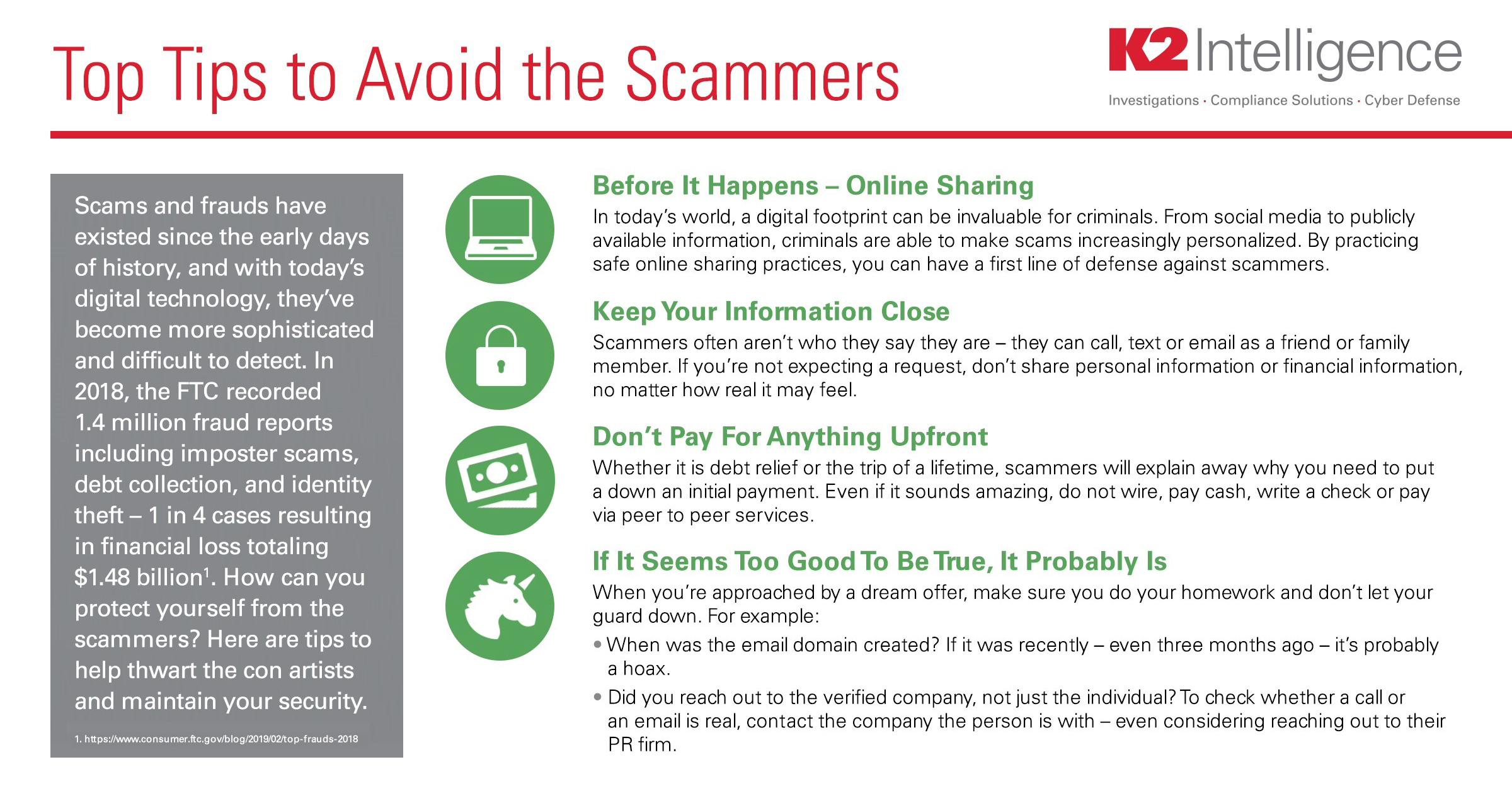
How can consumers avoid falling prey to some of these nefarious crimes? Gabe Hidalgo, has some important tips.
First, never click on emails from sources unknown to you or that look off in some way, especially from financial institutions. 鈥淲hen it comes to scams, fraudsters are always looking for a way to get one step ahead, particularly in banking,鈥� Hidalgo said. 鈥淔raudsters play on people鈥檚 anxieties, and the uncertainty with COVID-19 is a breeding ground for the exact anxiety they are looking for.鈥�
Hidalgo said he urges consumers to remain diligent with any communication to or from their banking institution. 鈥淏anks follow strict rules and protocols 鈥� such as not cold calling consumers to ask for personally identifying information 鈥� so people should keep this in mind,鈥� he advises.
Most importantly, consumers should be aware of the channels which they use to communicate with their financial institution, Hidalgo explained, adding that consumers can find those official channels on the institution鈥檚 app, website, back of their debit or credit card, or official billing information.
For information on how to avoid COVID-19 related scams, please visit the for detailed information.
To keep up-dated on the latest news and information regarding the COVID-19 pandemic, the economic impact, and the government鈥檚 response, at 抖阴成年’ COVID-19 Resource Center, and you can follow 聽or the聽.


